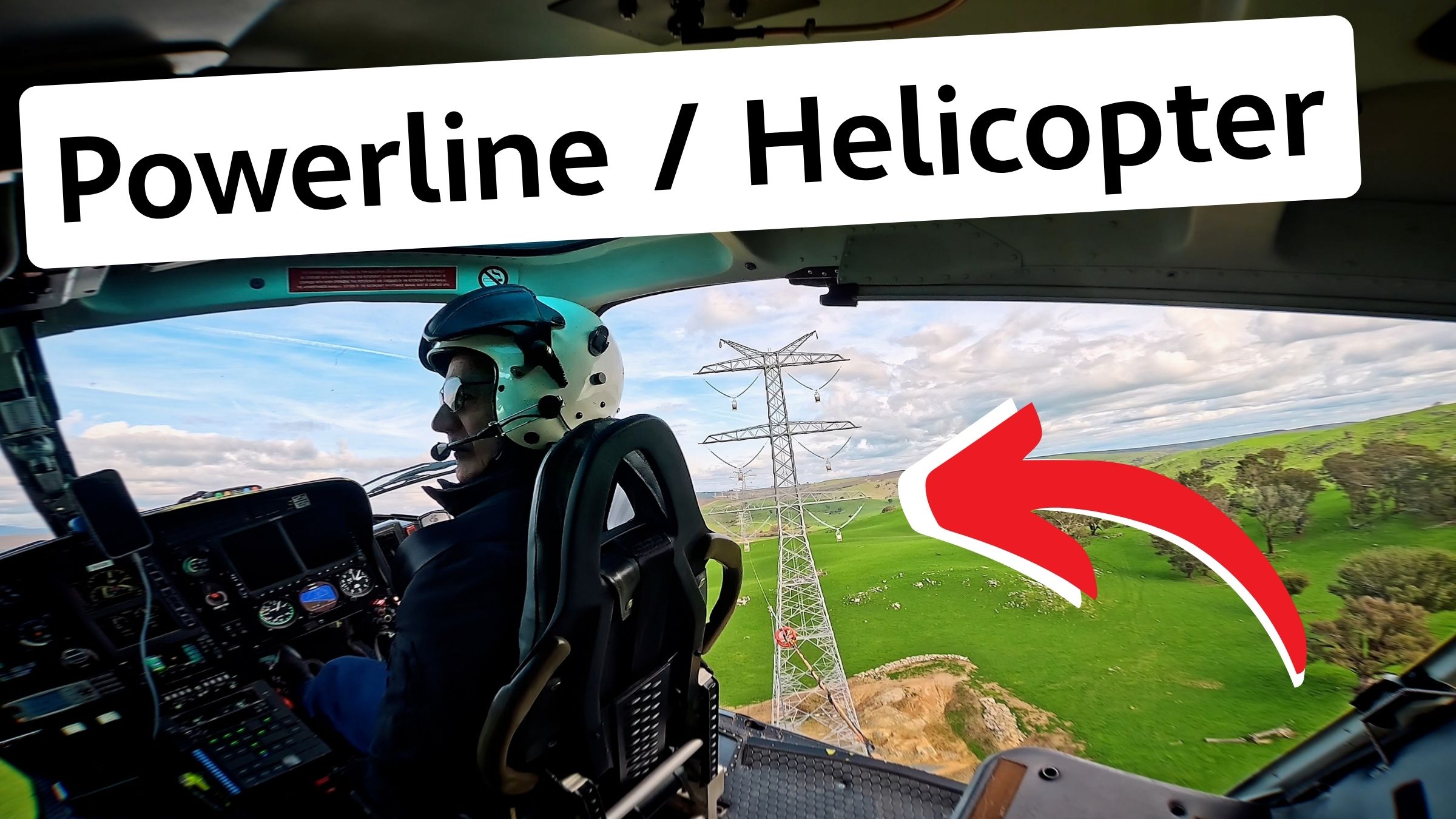
Construction of the nation-critical HumeLink East project has entered a new stage with the start of helicopter stringing of conductors between transmission towers. ACCIONA and Genus Infrastructure (NSW) Pty Ltd are delivering the transmission project for Transgrid in a joint venture as AG JV HumeLink East.
HumeLink East is one of the largest energy infrastructure initiatives in Australia and involves the design and construction of 225 kilometres of 500 kV overhead transmission lines from Bannaby to Wondalga, and the upgrading of the 500 kV Bannaby substation.
Helicopter takes flight
The first stringing using helicopters has started in the NSW Riverina near Adjungbilly and Tumut.
HumeLink East Project Director Carel Nagel said it marks a major step forward.
"This is an exciting milestone as it's taken the better part of three years to plan and to get to this point to get approval to string with helicopters. It is testament of the collaboration between us and Transgrid and the entire team involved.
"Stringing was one of the last activities that we had to commence on the project and is an achievement we've all been waiting for," he said.
The project includes 459 transmission towers and more than 6,000 kilometres of conductor which will be strung between the towers.
Benefits of using helicopters
HumeLink is using helicopters to support stringing as they are safer, faster and will have less impact for landholders and communities than traditional ground-based methods.
Traditionally, on-ground stringing methods involve using a bulldozer and multiple other on-the-ground machines to pull cables between towers.
The helicopter is running out draw wires between towers which are then used to pull heavier permanent conductors through pulley blocks attached to the towers.
"Using helicopters means we need less people on site and can get in and out of properties faster, which means less disruption for landholders and the community," Mr Nagel said.
Pinpoint precision needed to guide wires into position
Pilot John Caldwell of Leading Edge Helicopters has decades of flying experience and is behind the controls for the helicopter on HumeLink East.
John works in constant communication with the team on the ground to guide the draw wires into the centre of pulleys attached to towers.
"You need precise movements, within centimetres. You just have to guide the wire, it becomes an extension of you really. It does take a bit of precision.
"It is five times faster using the helicopter to using traditional methods. It is much more efficient and environmentally friendly doing this work by helicopter," he said.
Construction on the project continues to progress. The first tower was completed in January 2026 and the 100th tower was erected in July 2026.
Building for Australia's clean energy future
HumeLink is a project of national significance and will contribute to Australia meeting its future energy demands through a greater mix of low emission renewable energy sources as we transition to a low carbon future.
Once completed the project will deliver a cheaper, more reliable, and more sustainable grid by increasing the capacity for renewable energy to be delivered to millions of consumers.