Sir Manuel Hornibrook forms his construction company in Brisbane.
1931
Entrecanales y Távora is founded
José Entrecanales Ibarra and Manuel Távora found the company in Spain: the origins of ACCIONA. Its first projects include remodelling the San Telmo Bridge in Seville and work on the Cádiz Pier.
Completed by Hornibrook in 1932, the William Jolly Bridge introduced Australia’s first rainbow arch bridge design. Its steel-framed arches were given an unusual concrete veneer, combining engineering innovation with the distinctive Art Deco styling of the period.
The 2.7-kilometre Hornibrook Highway connected Brisbane with the Redcliffe Peninsula and was Australia’s longest bridge at the time. Designed and built by Hornibrook, the privately financed toll bridge was a landmark project.
The works on Long Gully Bridge, formerly known as the Northbridge, involved innovative construction methods to convert a deteriorating suspension bridge to a concrete arch while preserving the heritage aesthetics of the sandstone towers at either end.
The Story Bridge is the largest steel cantilever bridge in Australia. It was constructed simultaneously from both ends, a complex and risky method at the time. The two halves met precisely in the middle, showcasing the precision of the engineering team.
1946
A.W. Baulderstone Pty Ltd is founded
Bert Baulderstone founds the construction company in South Australia.
The Commonwealth Avenue Bridges in Canberra were among the first in Australia to use prestressed concrete box-girder construction, an innovative technique at the time. Post-tensioned hollow box sections created a strong, continuous structure capable of spanning up to 73 metres, reducing the number of piers required in the water and creating a cleaner, more elegant profile.
Brisbane’s Victoria Bridge was built in 1969 to replace the city’s ageing 1897 river crossing. The 313-metre, three-span concrete bridge connected the CBD with South Brisbane and provided increased capacity for the rapidly growing city.
1972NO WIKIPEDIA PICTURE
Joy Baluch Bridge
Port Augusta
Baulderstone
The Joy Baluch Bridge was built as a critical link in the National Highway 1 network, connecting the eastern states to Western Australia via the Eyre Highway, and South Australia to the Northern Territory via the Stuart Highway. This made it one of the most important freight and transport corridors in the country, especially for long-haul logistics and tourism.
1972
Geotech Pty Ltd is founded
Geotech goes on to become a leading ground engineering supplier to the constructors shaping Melbourne's skyline.
1973NO WIKIPEDIA PICTURE
Sydney Opera House – Stages 2 and 3
Sydney
Hornibrook
The Opera House’s sail-like roof shells were initially considered unbuildable. After 12 trial schemes, architect Jørn Utzon and engineer Ove Arup developed the spherical solution, deriving the shells from segments of a single sphere. Hornibrook then played a pivotal role in turning the design into a buildable structure, including the manufacture and assembly of its precast concrete roof segments.
Geotech helped establish the foundations of modern Melbourne through its work on Collins Place, home to the towers at 35 and 55 Collins Street. Delivered during the company’s early years, the specialist ground engineering works supported a city-block development whose excavation was regarded at the time as the largest undertaken in Melbourne.
Geotech contributed specialist ground engineering and foundation expertise to the construction of Collins Place, including the towers at 35 and 55 Collins Street. Occupying much of a city block and incorporating extensive basement areas and a sunken public plaza, the development required what was then Melbourne’s most extensive excavation.
Geotech provided groundbreaking geotechnical engineering expertise that was essential to the construction of the Victorian Arts Centre on a highly challenging site. It entailed deep excavation in complex subsoil conditions and, due to the underground layout and the need for unobstructed interior spaces, traditional intermediate retaining supports were not feasible. To overcome these challenges, a massive perimeter retaining wall system was designed. It was one of the most complex retaining systems attempted in Australia at the time.
1983
B.T. & K.A. Coleman is founded
The business goes on to become Coleman Rail in 2002.
1983B.T. & K.A. Coleman
1985
Baulderstone and Hornibrook merge to form Baulderstone Hornibrook
The centre was constructed above the Adelaide railway station, a complex engineering feat that required careful planning to avoid disrupting train services. This use of air rights over a rail yard was a pioneering move in Australian urban development.
At 132 metres (433 feet) and 31 storeys, the State Bank Building was the tallest building in Adelaide for over three decades. The building required deep foundations and a reinforced concrete core to withstand wind loads and seismic activity, which were relatively advanced for Adelaide’s construction standards in the 1980s.
Abigroup helped shape the modern Sydney–Newcastle motorway corridor through the construction of several major sections of the former F3 Freeway. Between 1983 and 1993, its work progressively extended the route north through the Central Coast to Minmi, contributing to what is now the M1 Pacific Motorway.
The New Victoria Dam was one of the first major dams in Australia to be built using roller-compacted concrete (RCC). This method allowed for faster, more economical construction compared to traditional concrete pouring. The project preserved part of the original dam wall as a heritage feature, integrating it into a public walking trail and interpretive site, balancing engineering progress with cultural preservation.
Work on the Kwinana Freeway included several upgrades and expansions, including the installation of smart freeway technologies and widening of key sections. Involving bridge widening and duplication using modular precast concrete segments, it allowed for faster construction with minimal traffic disruption. These works were also early adopters of environmentally sensitive design.
The ANZAC Bridge was constructed using an innovative formtraveller system, which enabled 10-metre concrete deck segments to be cast in place over water using a balanced cantilever method. At the time, it was Australia’s longest cable-stayed bridge, with a 345-metre main span supported by 128 stay cables anchored to two 120-metre concrete pylons.
This was Abigroup’s first major road project and one of New South Wales’ first large-scale Build-Own-Operate-Transfer (BOOT) projects, using private investment to accelerate the delivery of public infrastructure. The integration of a dedicated busway was also forward-thinking, improving public transport efficiency along the motorway corridor.
Abigroup built Warragamba Dam’s auxiliary spillway, improving the dam’s capacity to safely manage extreme floods. The project incorporated fuse plug embankments, major excavation and concrete lining works, and hybrid construction over the creek line.
The project combined innovative engineering, including extensive structural steel and a large-span column-free roof, with some of the most advanced sustainability measures of its time. Features included Australia’s largest solar array, a recycled water system and universal accessibility, helping make it one of the world’s greenest public assembly venues.
The Bolte Bridge set a national benchmark as Australia’s largest balanced cantilever cast-in-situ box girder bridge. The twin parallel structures, separated by a 1.15-metre gap, were designed to accommodate thermal expansion and seismic movement while minimising structural stress.
The project combined innovative construction methods with environmentally conscious design, including top-down tunnelling, incremental bridge launching and advanced underground engineering to minimise disruption and environmental impacts. Steel composite bridge structures were used to efficiently manage complex traffic movements within a constrained urban corridor.
The M5 East Motorway in Sydney includes a 4 km dual carriageway tunnel, one of the longest urban road tunnels in Australia at the time. Its construction involved cut-and-cover and drill-and-blast methods, tailored to the varying geology along the route, and a sophisticated ventilation system was installed due to the tunnel length.
2002
Geotech acquires B.T. & K.A. Coleman and forms Coleman Rail
The M7 showcased several engineering innovations, including seamless pavement-to-bridge transitions, precast segmental bridge construction and the use of 12D modelling for design and alignment control. These approaches improved ride performance, reduced maintenance demands and helped streamline construction across the project’s 144 bridges.
The tunnel was constructed using roadheaders and drill-and-blast methods, depending on the geology. It passed beneath the Sydney CBD, requiring precise navigation around existing building foundations. Using the Sequential Excavation Method (SEM) allowed for real-time adaptation to ground conditions, improving safety and reducing over-excavation. It featured a state-of-the-art longitudinal ventilation system, whose design minimised the gradient of the tunnel to reduce vehicle emissions and improve air quality.
2007
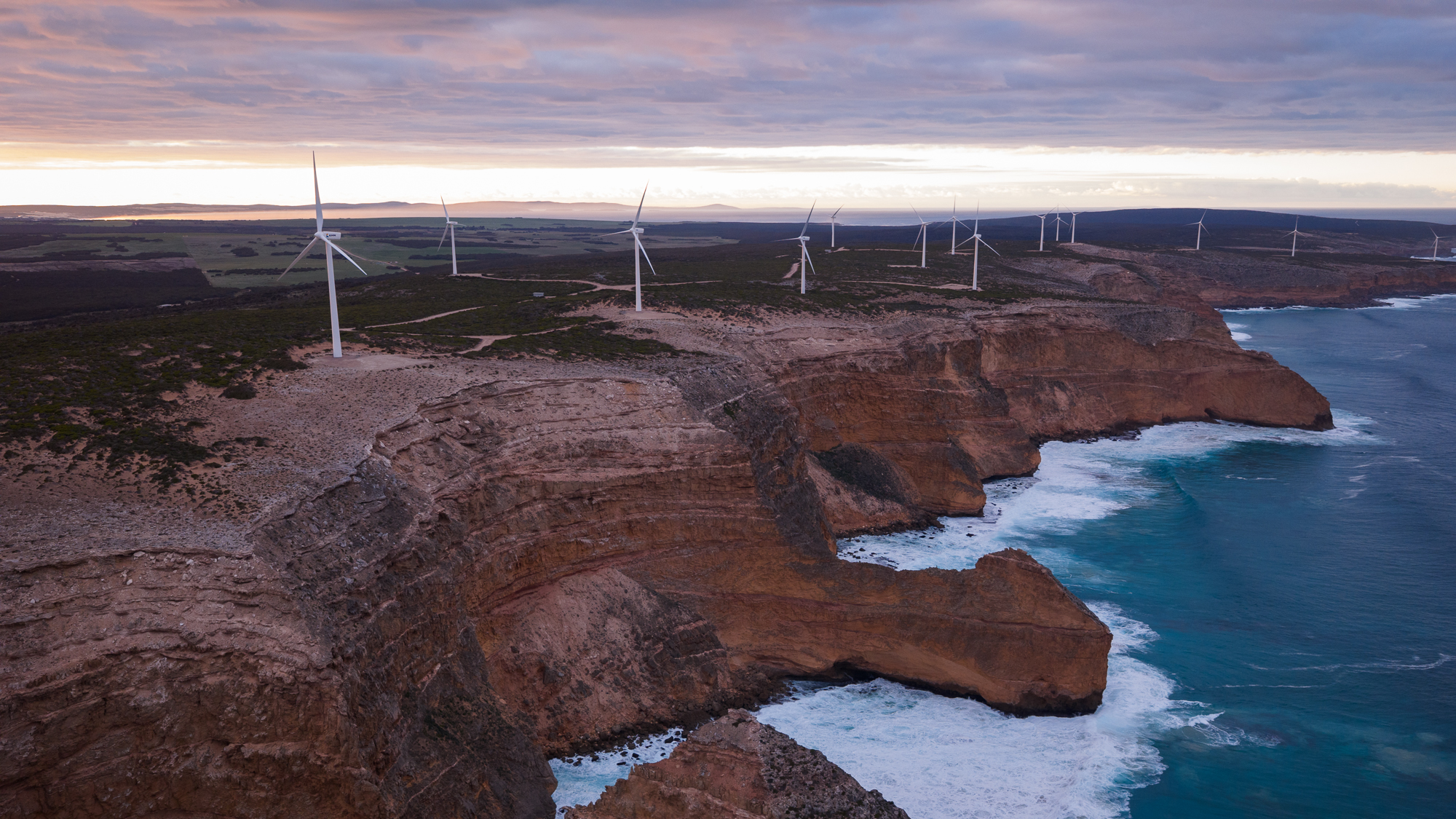
Cathedral Rocks Wind Farm
Sleaford, South Australia
ACCIONA Energía
Cathedral Rocks Wind Farm was ACCIONA Energía’s first wind farm in Australia. Located on South Australia’s Eyre Peninsula, the 62 MW facility has been operating since 2007 and comprises 31 wind turbines, delivering renewable energy while supporting regional employment and environmental conservation.
2007
Geotech acquires John Beever and the Geotech Group is established
Geotech, John Beever and Coleman Rail come together as the Geotech Group of companies.
Built by Baulderstone under the Partnerships Victoria framework, the hospital was procured through a 25-year public-private partnership covering design, construction, financing and maintenance. The facility’s flexible, functional design incorporated sustainable initiatives that reduced operating costs and environmental impacts.
Geotech undertook extensive geotechnical investigations as part of the 2009 Warragamba Dam upgrade, informing the installation of post-tensioned ground anchors deep into the bedrock. The anchors strengthened the dam’s resistance to overturning and sliding during extreme flood events and represented one of Australia’s largest anchor installations at the time.
When it opened, Brisbane’s Kurilpa Bridge was the world’s largest hybrid tensegrity bridge. Its lightweight steel structure accommodates its complex geometry, while an integrated solar system powers up to 100% of its LED lighting needs.
The freeway upgrade incorporated significant engineering and urban design innovations to improve traffic flow, safety and aesthetics. Complex staging, movable barriers, temporary diversions and night works allowed the freeway to remain fully operational during construction.
The Pacific Highway Upgrade was a transformational, decades-long infrastructure program delivered across multiple packages by Abigroup and Baulderstone, including Harwood Bridge. It provided a sustained pipeline of works while transforming one of Australia’s most important transport corridors.
In a joint venture with Leighton, Abigroup duplicated Brisbane’s Gateway Bridge, building a second bridge enabling six lanes to cross in each direction. The project combined cast in-situ and precast balanced cantilever construction with Australia’s first use of LDX 2101® duplex stainless steel reinforcement, supporting a 300-year design life.
The Port Botany Container Terminal expansion delivered 60 hectares of reclaimed land and 1.85 kilometres of deep-water shipping wharves. Innovative construction techniques, including the precise marine installation of 640-tonne precast counterfort units, helped the project win the 2012 Australian Construction Achievement Award.
The facility was designed to improve the efficiency and reliability of rail operations. The project combined environmentally sustainable design with advanced mechanical and electrical systems, an efficient layout and integrated safety features.
The Ipswich Motorway Upgrade demonstrated exceptional engineering and resilience, overcoming live traffic, abandoned coal mines and the devastating 2011 Queensland floods to finish six months early and approximately 10 per cent under budget.
2012
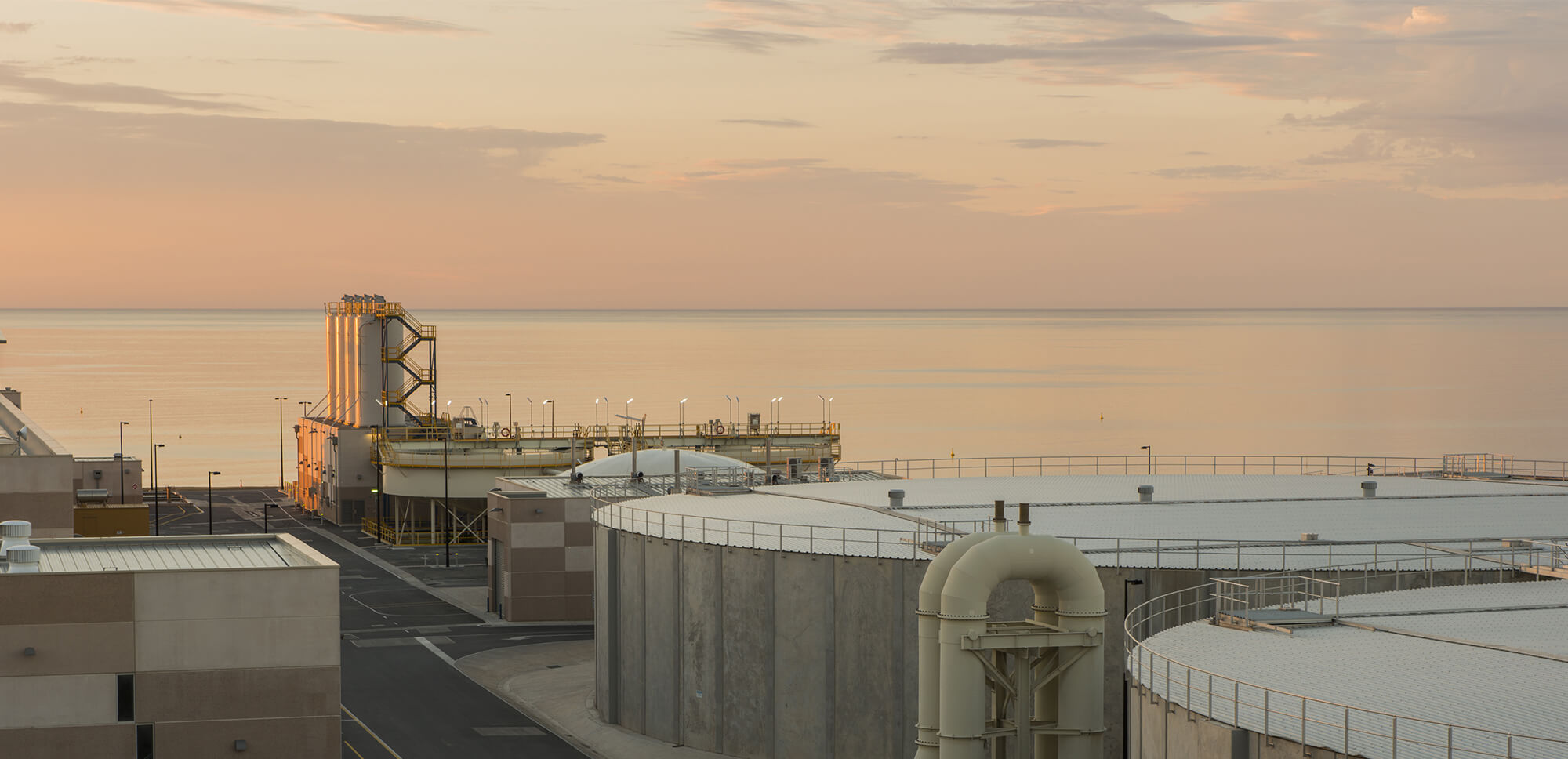
Adelaide Desalination Plant
Adelaide
Abigroup & ACCIONA Agua
The Adelaide Desalination Plant delivered a climate-independent water supply for Adelaide, using extensive off-site prefabrication and innovative construction methods to accelerate delivery and enhance safety despite tight site constraints.
Delivered by Abigroup as part of the Southern Way consortium, the 27 km Peninsula Link was Australia’s first road project delivered under an Availability Public Private Partnership model, driving high-quality construction and long-term performance through payments linked to road availability and service standards.
2013
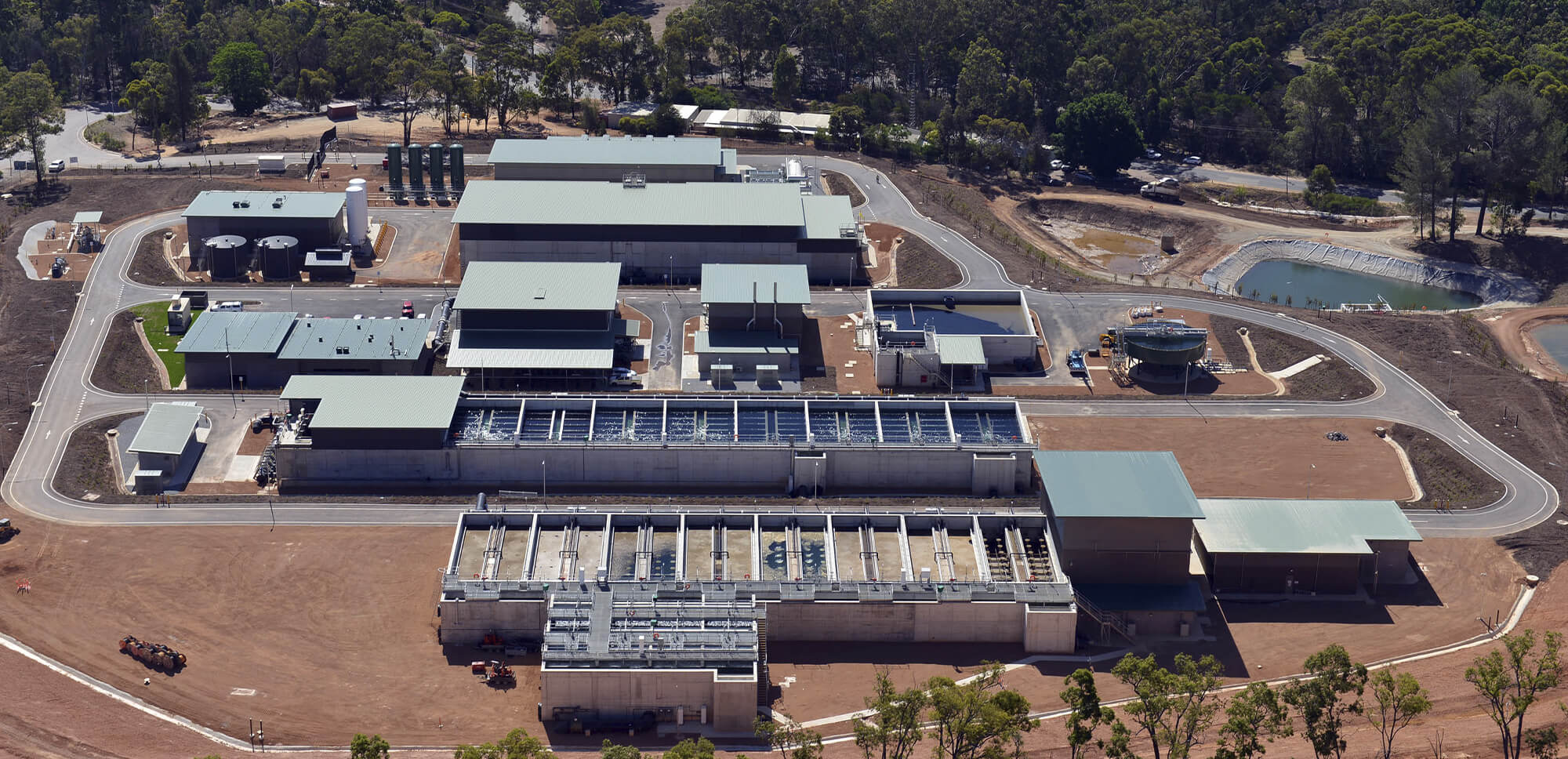
Mundaring Water Treatment Plant
Mundaring, Western Australia
ACCIONA
As the first Public Private Partnership (PPP) in Western Australia’s water industry, the plant combined innovative procurement with advanced treatment technologies to efficiently process three variable water sources while improving operational performance, reducing infrastructure requirements and delivering long-term value.
The Cotter Dam upgrade increased storage capacity from 3 GL to 78 GL and created Australia’s tallest roller-compacted concrete dam, using innovative mechanical paving and specialised equipment to safely construct the structure on steep, challenging terrain.
2013
Abigroup and Baulderstone merge as Lendlease Engineering
Lend Lease, which acquired both businesses in 2011, brings them together under one name.
The project converted the Southern Expressway into an 18.5 km dual-carriageway route, using innovative staging, complex bridge modifications and extensive precast construction to minimise traffic disruption while accelerating delivery and maintaining operational safety.
2014
Tracksure Adelaide Rail Revitalisation
Adelaide
Coleman Rail
The Adelaide Rail Revitalisation project transformed Adelaide’s metropolitan rail network through 130 km of track upgrades and the innovative use of geosynthetic materials to improve track stability, drainage and long-term network performance.
2015
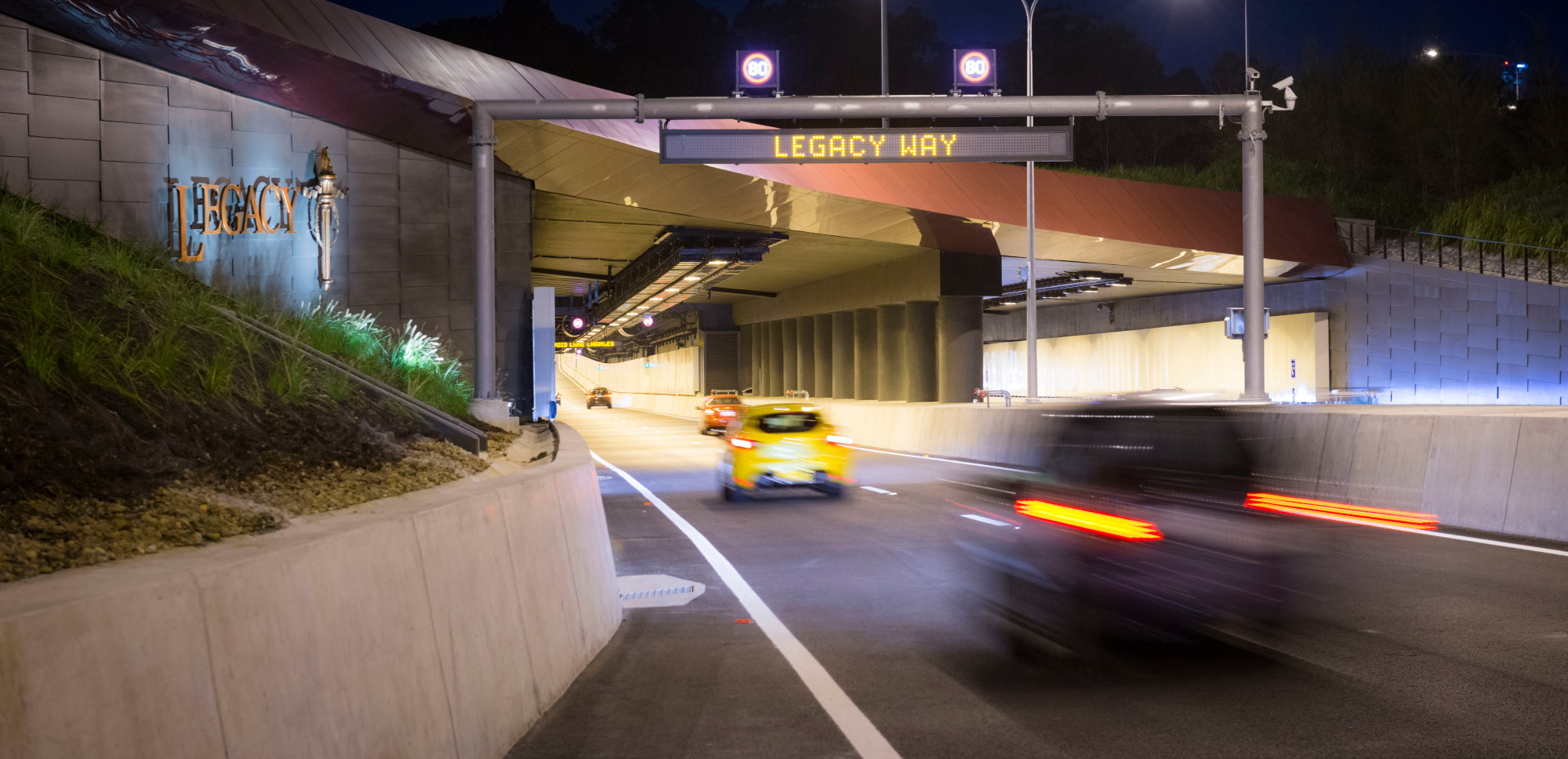
Legacy Way Tunnel
Brisbane
ACCIONA
ACCIONA’s first major infrastructure project in Australia achieved multiple industry awards and set world records for tunnel boring machine productivity, establishing a benchmark for large-scale tunnelling performance.
2015NO WIKIPEDIA PICTURE
Barangaroo Reserve
Millers Point, Sydney
Lendlease Engineering
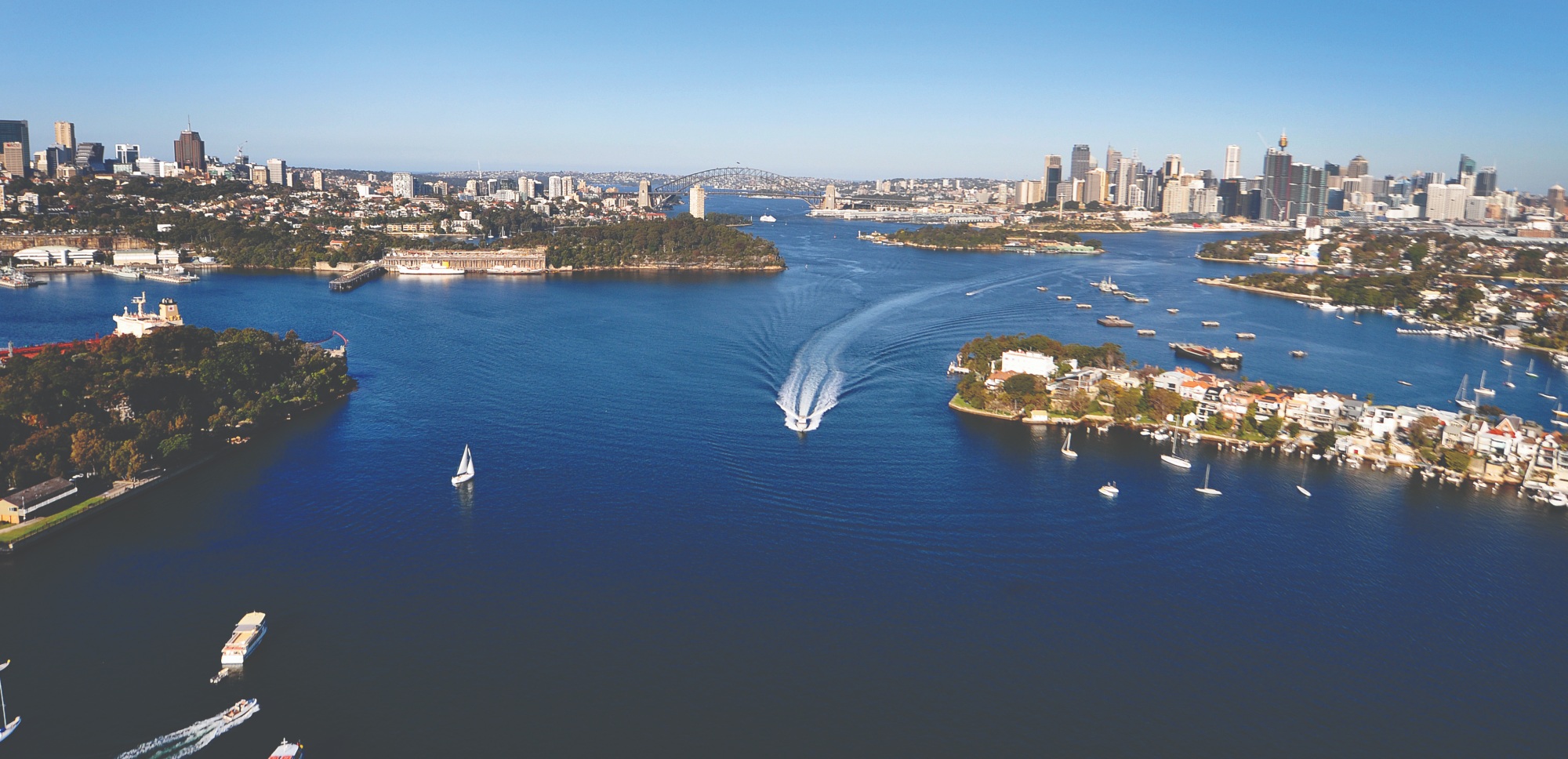
Barangaroo Reserve transformed a former industrial container terminal into a six-hectare waterfront park, providing much-needed green space for the country’s largest city. Complex engineering, environmental restoration and sustainable design were combined to recreate Sydney Harbour’s pre-colonial headland landscape.
2016
Preston Workshops Redevelopment
Preston, Melbourne
Coleman Rail
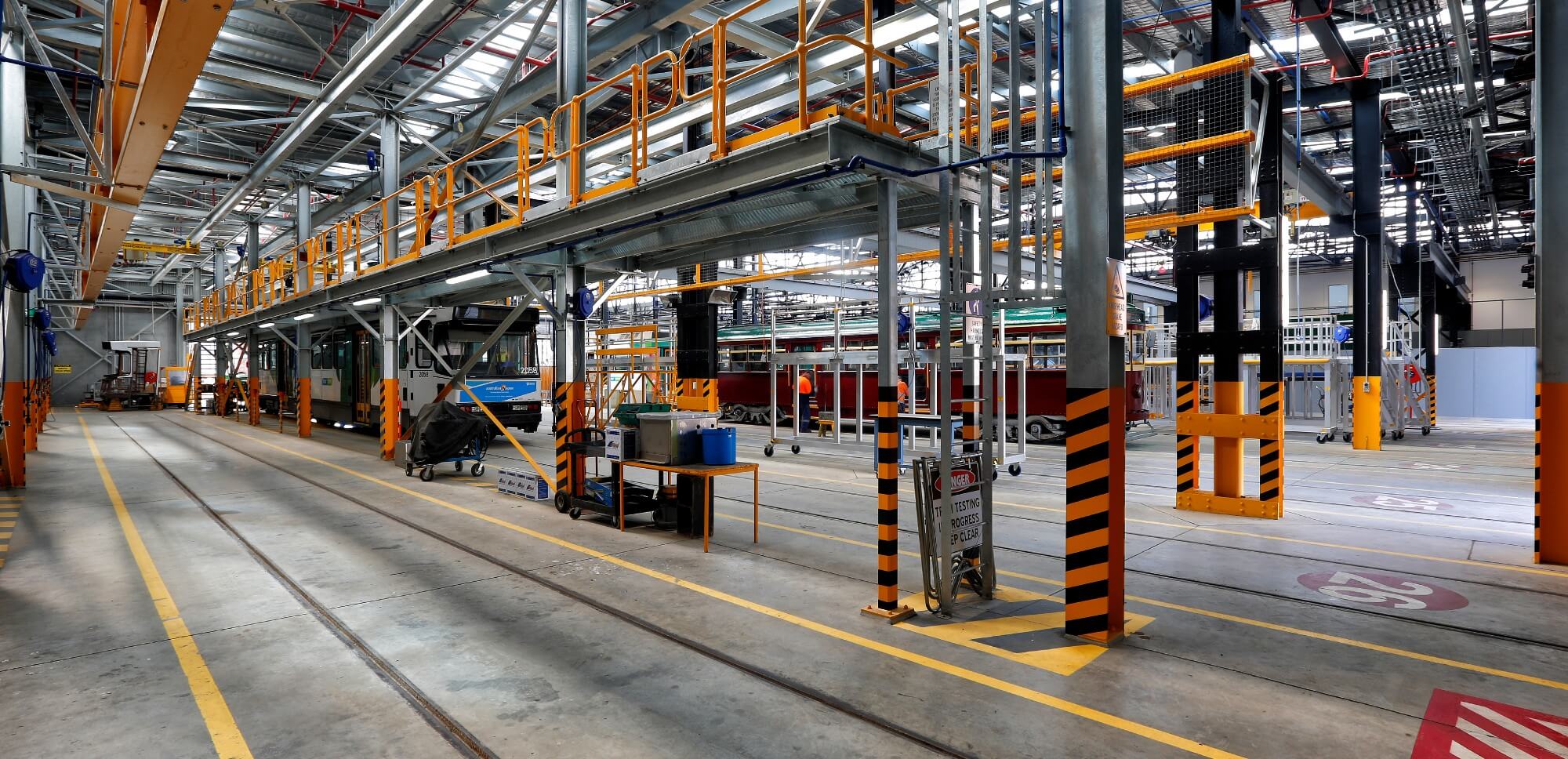
The redevelopment of Melbourne’s Preston Tram Workshops modernised one of the world’s largest light rail maintenance facilities, delivering complex staged upgrades, operational improvements and heritage restoration while maintaining uninterrupted tram services.
The new Royal Adelaide Hospital, South Australia’s largest-ever infrastructure project at the time, overcame complex geotechnical and contamination challenges to deliver one of Australia’s most advanced healthcare facilities on a former industrial rail yard site.
2017
ACCIONA takes a majority stake in the Geotech Group
The deal brings together two businesses with family ownership, strong cultures and a shared commitment to innovation and sustainability.
The Gateway Upgrade North expanded and modernised 11 kilometres of Brisbane’s Gateway Motorway through complex staged construction in live traffic, delivering increased capacity, major interchange upgrades and advanced transport systems while minimising disruption to more than 83,000 daily road users.
2020
ACCIONA acquires Lendlease Engineering
With it comes the heritage of Hornibrook, Baulderstone, Abigroup and Lend Lease, reaching back to 1912.
2020ACCIONA + Lendlease Engineering
2020
Sydney Light Rail
Sydney
ACCIONA
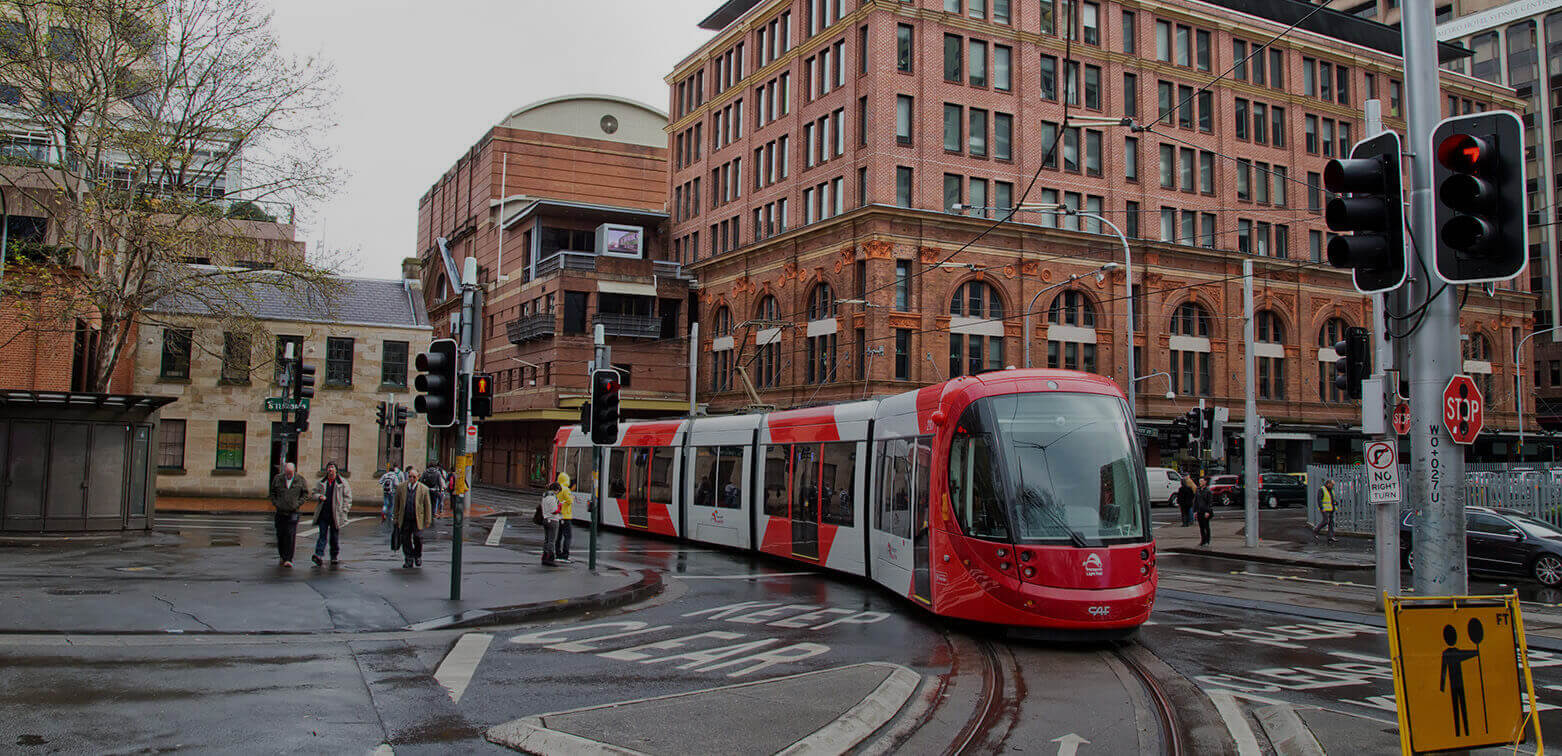
Sydney’s CBD and South East Light Rail transformed public transport and the urban landscape through the delivery of a 12 km light rail network and long-term operations partnership, combining complex construction in a constrained city environment with extensive urban renewal delivered through an innovative Public Private Partnership model. It was ACCIONA’s first major infrastructure project in NSW.
The Northern Connector pioneered large-scale concrete road construction in South Australia, combining innovative local manufacturing, sustainable delivery practices and workforce inclusion to create a safer, more efficient motorway corridor.
Geotech delivered the complex geotechnical works for Australia 108, the Southern Hemisphere’s tallest residential tower, designing and constructing a hybrid deep foundation system that overcame challenging ground conditions while supporting extreme structural loads and protecting adjacent heritage assets.
2022
Gawler Rail Electrification Project
Adelaide
ACCIONA
This major rail electrification project delivered 42 kilometres of new overhead wiring, signalling and power infrastructure within a live operational corridor, requiring complex geotechnical engineering, precision foundation construction and staged delivery to maintain rail services while modernising the network.
2022
SPA – Cheltenham and Mentone Stations
Melbourne
ACCIONA
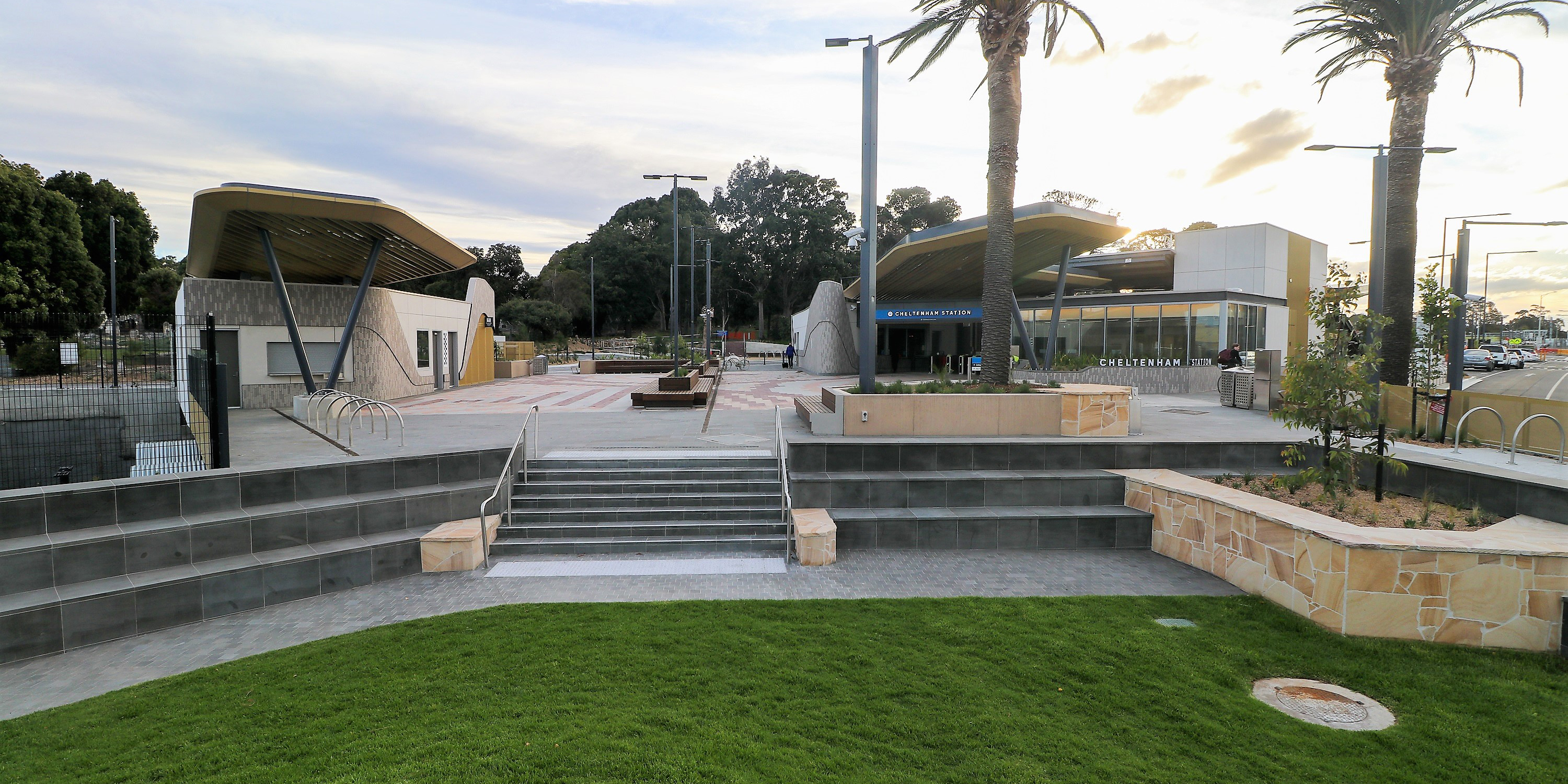
As a member of the Southern Program Alliance, ACCIONA helped deliver the Cheltenham and Mentone Level Crossing Removal Project, removing three dangerous level crossings and constructing two new stations while transforming the surrounding precincts through complex rail trench construction, heritage integration and sustainable urban renewal in a live operational corridor. The project was a finalist in the 2022 Australian Construction Association awards.
2023
WestConnex M4–M5 Link Tunnels
Sydney
ACCIONA
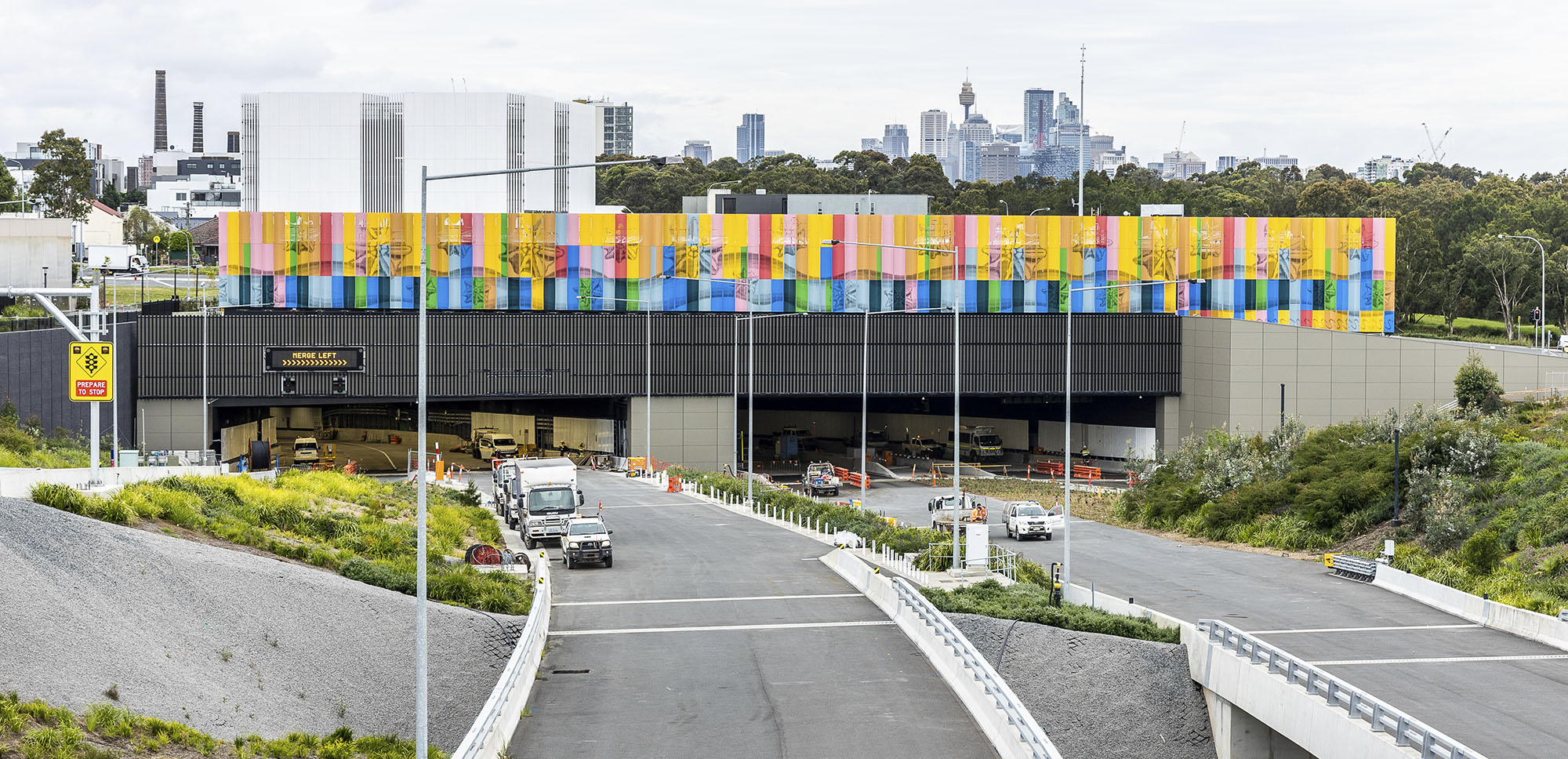
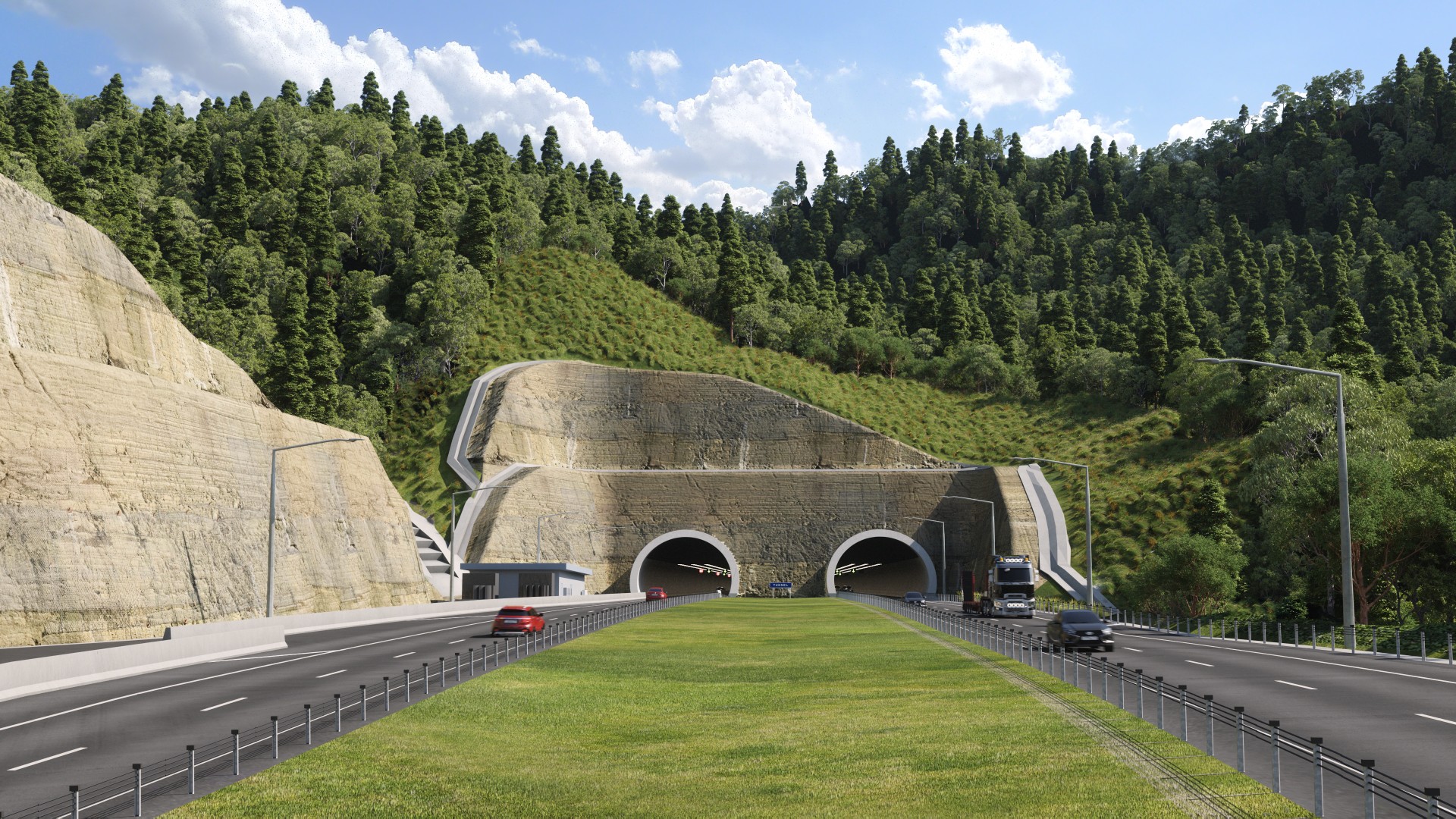
This transformative motorway project accelerated delivery through the concurrent construction of tunnelling and fit-out works, combining rapid excavation, advanced digital safety systems, integrated motorway design and innovative spoil management to deliver more than 11 kilometres of tunnel infrastructure.
2023
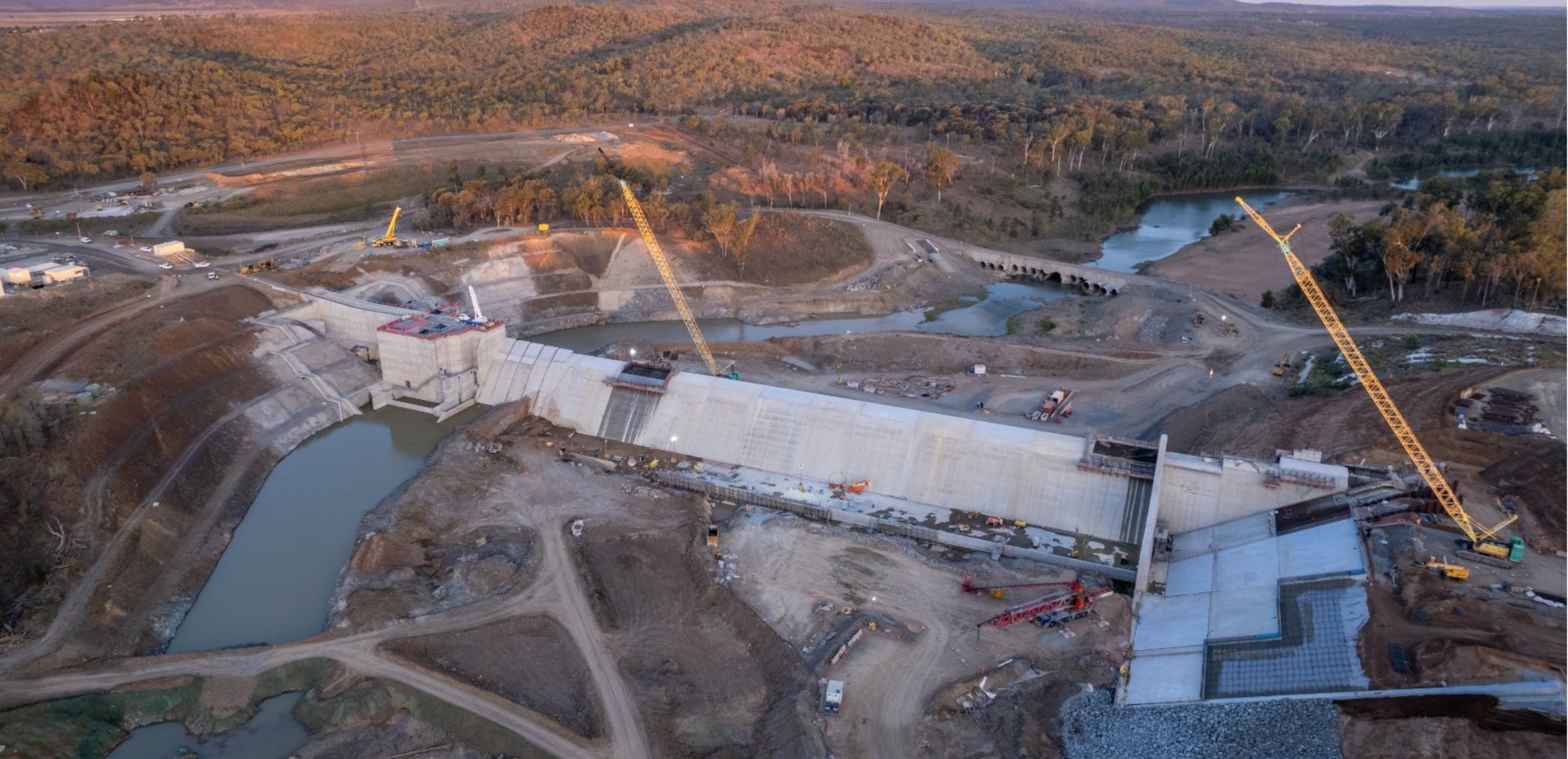
Rookwood Weir
Gogango, Queensland
ACCIONA
2023
Western Sydney International Airport Bulk Earthworks
Sydney
ACCIONA
Alongside its joint venture partner, ACCIONA delivered Australia’s largest civil earthmoving project, mobilising 311 machines to move 27 million cubic metres of earth despite COVID-19 and global supply chain challenges, with the project recognised as a finalist in the 2024 Australian Construction Achievement Awards.
2024
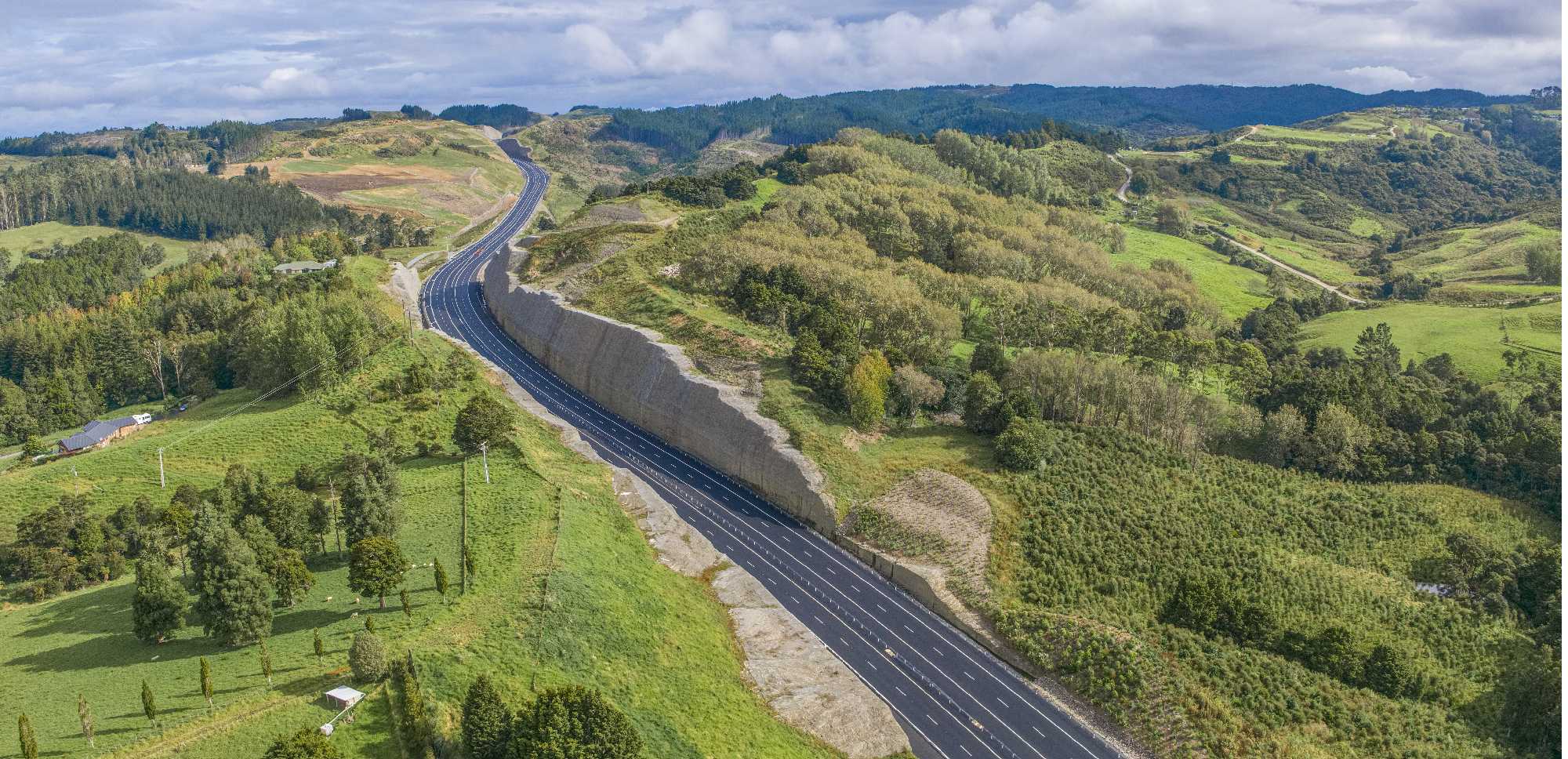
Ara Tūhono – Pūhoi to Warkworth Motorway
Pūhoi, New Zealand
ACCIONA
Delivered under a Public Private Partnership model, this motorway project combined complex engineering, environmental stewardship and Māori cultural partnership to create a resilient transport corridor through challenging terrain in northern New Zealand, including major viaducts, advanced pavement design and 25 years of ongoing maintenance.
2024
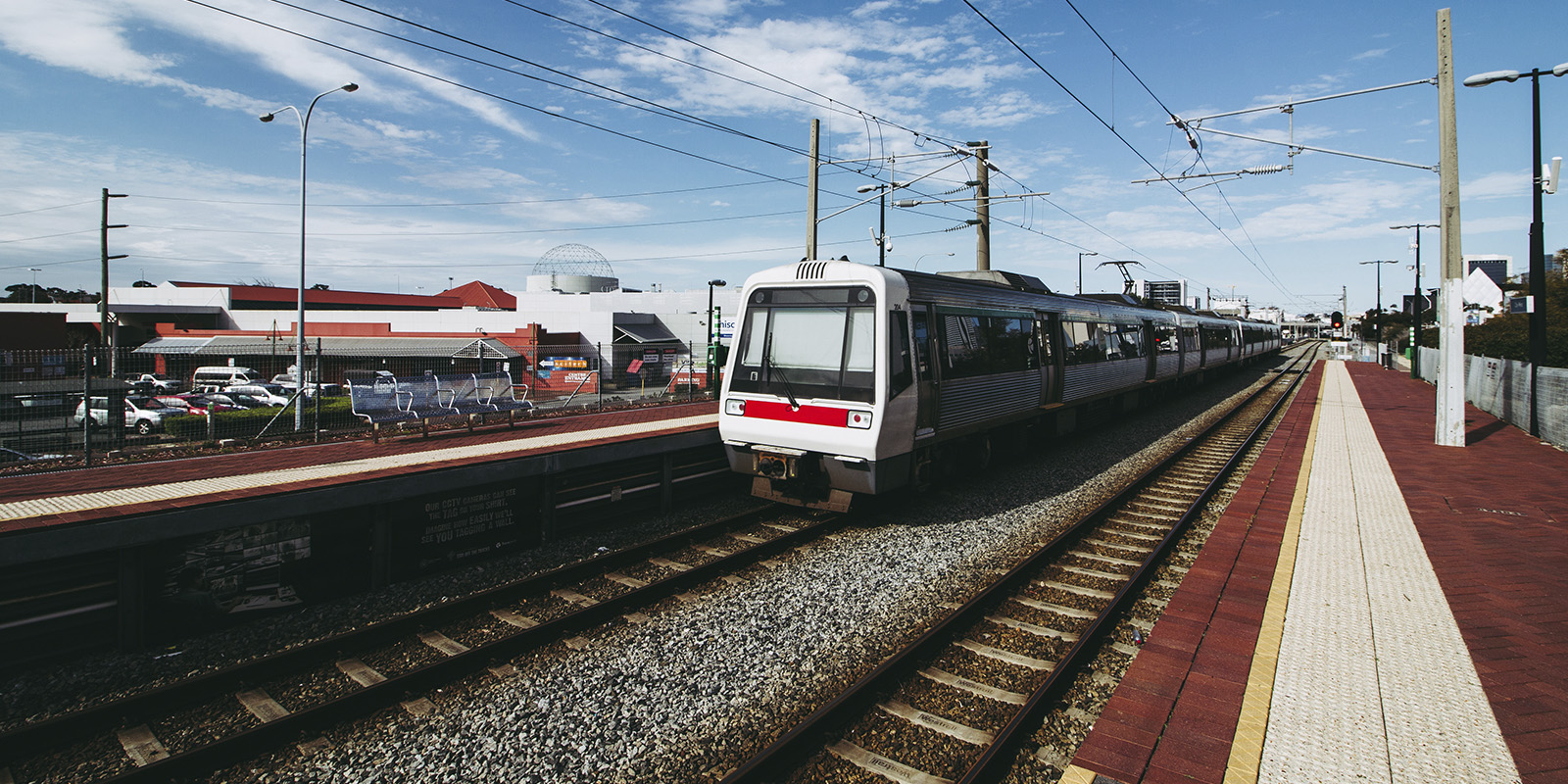
Bayswater Station
Perth
Coleman Rail & ACCIONA
The project delivered a new elevated station, elevated rail crossing and expanded six-car train facilities, combining complex bridge construction, geotechnical engineering and urban renewal to enhance safety, capacity and local connectivity.
2024
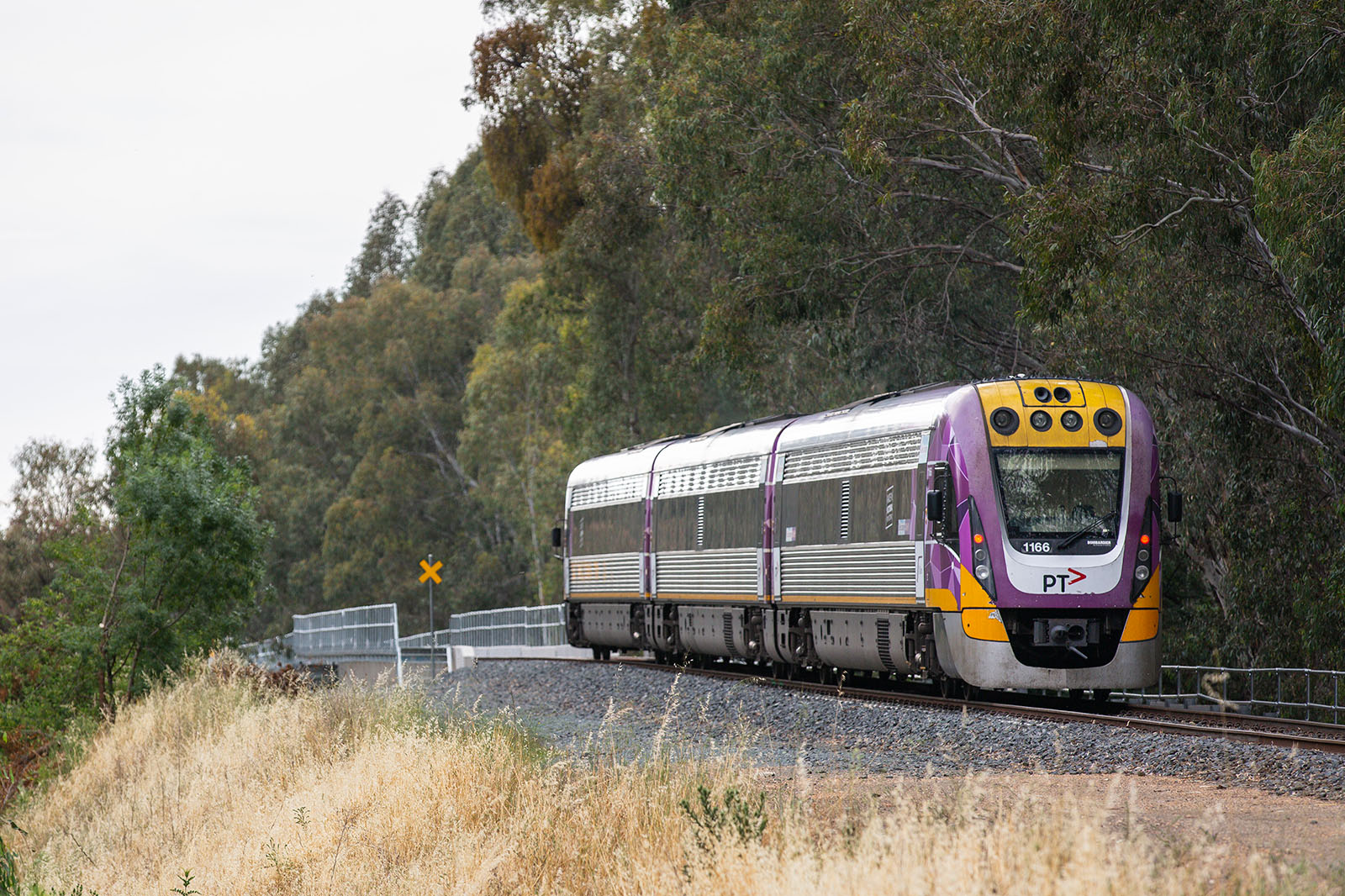
Shepparton Line Upgrade
Shepparton, Victoria
Coleman Rail
The Shepparton Line Upgrade enhanced capacity and reliability across Victoria’s regional rail network through track duplication, station upgrades, bridge strengthening and modular construction techniques that accelerated delivery while minimising disruption to services.
2025
MacIntyre Wind Farm
Karara, Queensland
ACCIONA
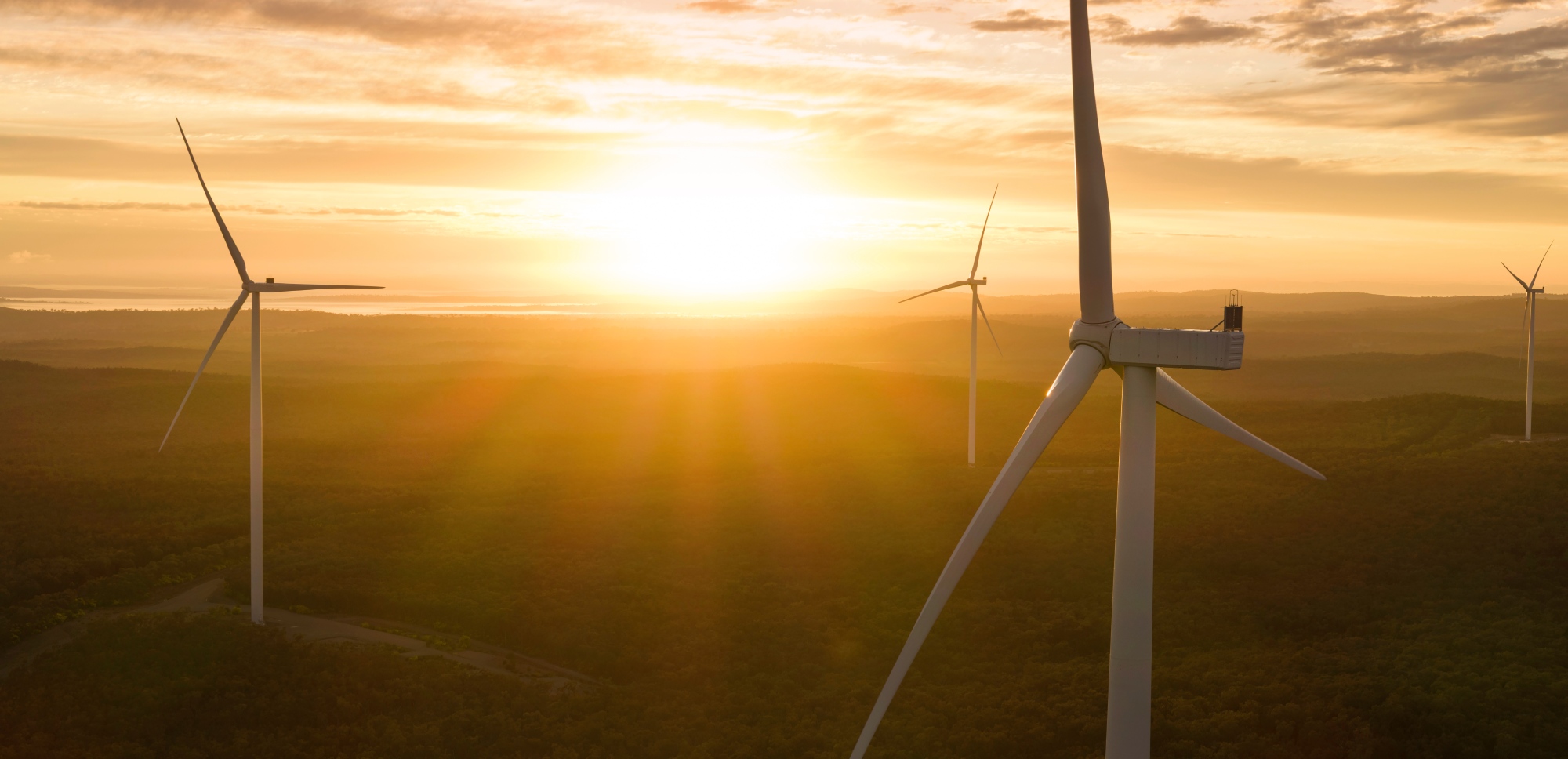
The MacIntyre Wind Farm, one of the largest onshore wind farms in the Southern Hemisphere, combined large-scale civil, electrical and transmission infrastructure works with innovative turbine foundation design and phased delivery to connect 162 turbines across 36,000 hectares in a remote location.